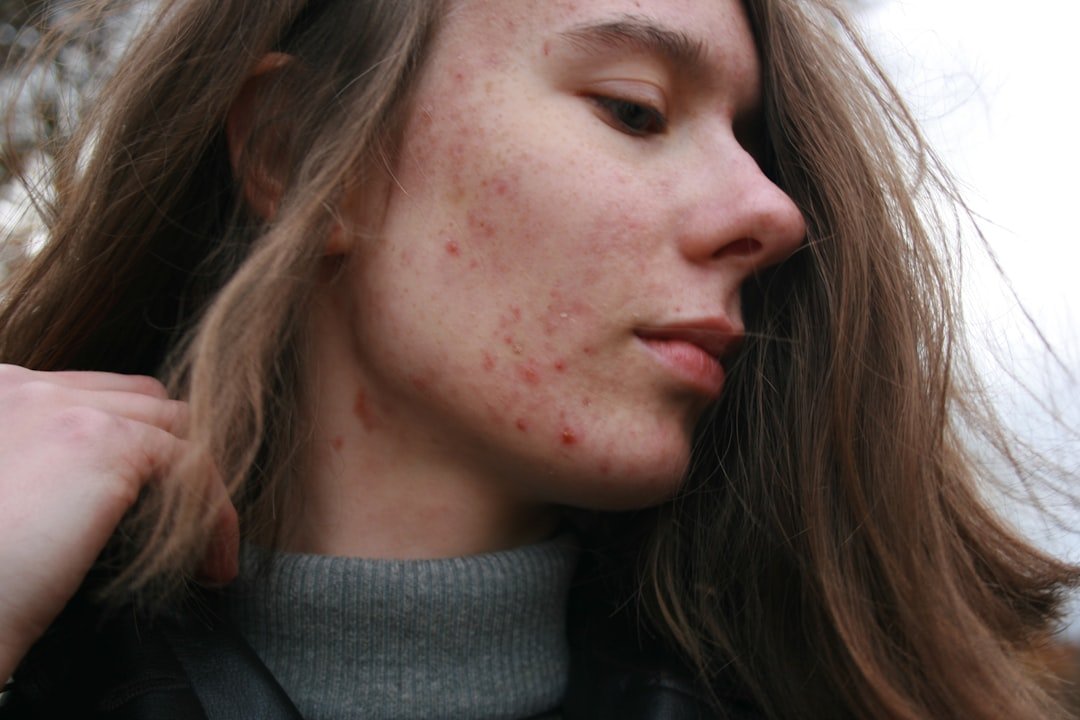
Adult acne is a prevalent yet often misunderstood condition that affects a significant portion of the adult population. While many associate acne primarily with adolescence, it is increasingly recognized that adults, particularly women, can experience breakouts well into their thirties, forties, and beyond. The psychological and emotional toll of adult acne can be profound, leading to issues such as low self-esteem, anxiety, and depression.
This condition can manifest in various forms, including persistent pimples, cystic lesions, and even scarring, making it a complex issue that requires a nuanced understanding. The prevalence of adult acne has been on the rise, with studies indicating that nearly 50% of adults aged 20 to 40 experience some form of acne. This increase can be attributed to a variety of factors, including hormonal fluctuations, lifestyle choices, and environmental influences.
Understanding the multifaceted nature of adult acne is crucial for effective management and treatment. As we delve deeper into the causes and potential solutions for this condition, it becomes clear that a comprehensive approach is necessary to address the unique challenges faced by adults dealing with acne.
Key Takeaways
- Adult acne is a common skin condition that can affect individuals well into their 30s, 40s, and even 50s.
- Causes of adult acne can range from hormonal imbalances and genetics to lifestyle and environmental factors.
- Hormonal factors, such as fluctuations in estrogen and progesterone levels, can contribute to the development of adult acne.
- Lifestyle and environmental factors, including stress, diet, and exposure to pollutants, can also play a role in the development and exacerbation of adult acne.
- Management of adult acne often involves a combination of skincare, topical treatments, oral medications, and other treatment options tailored to the individual’s specific needs.
Causes of Adult Acne
The causes of adult acne are multifactorial, encompassing a range of biological, environmental, and lifestyle elements. One of the primary contributors is the overproduction of sebum, an oily substance secreted by sebaceous glands. When excess sebum combines with dead skin cells and bacteria, it can clog pores, leading to inflammation and the formation of acne lesions.
This process is not limited to teenagers; adults can also experience fluctuations in sebum production due to various factors. In addition to sebum overproduction, other causes include stress, diet, and certain medications. Stress has been shown to exacerbate acne by triggering hormonal changes that increase oil production.
Diet plays a significant role as well; high-glycemic foods and dairy products have been linked to increased acne severity in some individuals. Furthermore, medications such as corticosteroids or certain hormonal contraceptives can also contribute to the development of acne. Understanding these diverse causes is essential for developing effective treatment strategies tailored to individual needs.
Hormonal Factors

Hormonal fluctuations are one of the most significant contributors to adult acne, particularly in women. Conditions such as polycystic ovary syndrome (PCOS) can lead to elevated levels of androgens, hormones that stimulate sebaceous glands and increase oil production. This hormonal imbalance often results in persistent acne along the jawline and chin, areas commonly affected by hormonal changes.
Additionally, menstrual cycles can trigger breakouts due to fluctuations in estrogen and progesterone levels, further complicating the landscape of adult acne. Men are not immune to hormonal influences either; testosterone levels can fluctuate due to various factors such as stress or underlying health conditions. These fluctuations can lead to increased sebum production and subsequent acne development.
Understanding the role of hormones in adult acne is crucial for both diagnosis and treatment. Hormonal therapies, such as oral contraceptives or anti-androgens like spironolactone, are often employed to help regulate these hormonal imbalances and mitigate their effects on the skin.
Lifestyle and Environmental Factors
| Factors | Metrics |
|---|---|
| Physical Activity | Number of hours of exercise per week |
| Diet | Number of servings of fruits and vegetables per day |
| Sleep | Number of hours of sleep per night |
| Stress | Self-reported stress level (on a scale of 1-10) |
| Environmental Pollution | Particulate matter (PM) concentration in air |
Lifestyle choices and environmental factors play a pivotal role in the development and exacerbation of adult acne. Stress is a significant contributor; it not only affects hormonal balance but also leads to behaviors such as touching the face or neglecting skincare routines. The modern lifestyle often involves high-stress levels due to work pressures, personal relationships, and societal expectations, all of which can trigger or worsen acne.
Environmental factors also cannot be overlooked. Pollution and exposure to irritants can lead to skin inflammation and clogged pores. For instance, urban living often exposes individuals to higher levels of air pollution, which has been linked to increased skin issues, including acne.
Additionally, the use of heavy makeup or comedogenic skincare products can further aggravate existing conditions. Recognizing these lifestyle and environmental influences is essential for individuals seeking to manage their adult acne effectively.
Management of Adult Acne
Managing adult acne requires a multifaceted approach that addresses both the physical symptoms and the underlying causes. A thorough assessment by a dermatologist is often the first step in developing an effective treatment plan. This assessment may include a detailed medical history, an evaluation of lifestyle factors, and possibly blood tests to check for hormonal imbalances or other underlying conditions.
Once the underlying causes are identified, treatment options can be tailored accordingly. For some individuals, lifestyle modifications such as stress management techniques or dietary changes may significantly improve their skin condition. Others may require more intensive treatments such as topical medications or oral therapies.
The key is to adopt a holistic approach that considers all aspects of an individual’s life while focusing on achieving clear skin.
Skincare and Topical Treatments
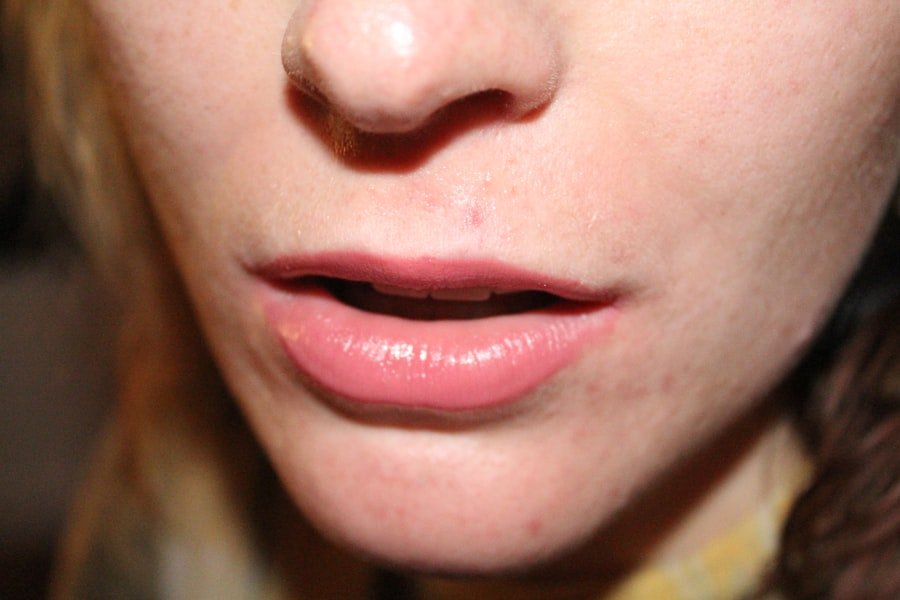
A robust skincare routine is fundamental in managing adult acne effectively. Gentle cleansing is crucial; using a mild cleanser twice daily helps remove excess oil and impurities without stripping the skin of its natural moisture barrier. Ingredients such as salicylic acid or benzoyl peroxide are commonly recommended for their ability to penetrate pores and reduce inflammation.
Salicylic acid works by exfoliating the skin and preventing clogged pores, while benzoyl peroxide targets bacteria responsible for acne. Moisturizing is equally important; many individuals with acne-prone skin mistakenly believe that they should avoid moisturizers altogether. However, using non-comedogenic moisturizers helps maintain hydration without exacerbating breakouts.
Additionally, incorporating products with active ingredients like retinoids can promote cell turnover and prevent new lesions from forming. A consistent skincare regimen tailored to individual skin types can significantly improve the appearance of adult acne over time.
Oral Medications and Other Treatment Options
In cases where topical treatments are insufficient, oral medications may be necessary to manage adult acne effectively. Antibiotics such as doxycycline or minocycline are often prescribed for their anti-inflammatory properties and ability to reduce bacterial growth on the skin. These medications can be particularly beneficial for individuals with moderate to severe acne who do not respond well to topical treatments alone.
Hormonal therapies are another option for women experiencing hormone-related acne. Oral contraceptives containing estrogen and progestin can help regulate hormonal fluctuations that contribute to breakouts. Spironolactone, an anti-androgen medication, is also effective in reducing sebum production and addressing hormonal imbalances in women with adult acne.
In more severe cases, isotretinoin may be prescribed; this powerful medication targets multiple factors contributing to acne but requires careful monitoring due to potential side effects.
Conclusion and Future Outlook
The landscape of adult acne management continues to evolve as research uncovers new insights into its causes and treatments. Advances in dermatological science are paving the way for more personalized approaches that consider individual variations in skin type, hormonal profiles, and lifestyle factors. As awareness grows regarding the psychological impact of adult acne, there is an increasing emphasis on holistic treatment strategies that address both physical symptoms and emotional well-being.
Future developments may include innovative topical formulations that combine multiple active ingredients for enhanced efficacy or new oral medications with fewer side effects. Additionally, ongoing research into the gut-skin axis suggests that gut health may play a role in skin conditions like acne, opening up new avenues for treatment through dietary interventions or probiotics. As our understanding deepens, individuals grappling with adult acne can look forward to more effective solutions tailored specifically to their needs, ultimately leading to clearer skin and improved quality of life.
FAQs
What are the common causes of adult acne?
The common causes of adult acne include hormonal changes, stress, certain medications, and underlying medical conditions such as polycystic ovary syndrome (PCOS) and Cushing’s syndrome.
How does hormonal changes contribute to adult acne?
Hormonal changes, such as fluctuations in androgen levels, can lead to increased oil production in the skin, which can clog pores and lead to acne breakouts.
Can stress cause adult acne?
Yes, stress can trigger the release of cortisol, a stress hormone, which can lead to increased oil production and inflammation in the skin, contributing to adult acne.
What medications can cause adult acne?
Certain medications, such as corticosteroids, lithium, and some anticonvulsants, can contribute to adult acne by affecting hormone levels and increasing oil production in the skin.
How can adult acne be managed?
Adult acne can be managed through a combination of proper skincare, lifestyle changes, and, in some cases, medical treatments such as topical or oral medications, chemical peels, and laser therapy. It is important to consult a dermatologist for personalized treatment recommendations.

I’m a blogger and SEO executive with 3+ years of practical experience in content creation, on-page SEO, and link building. I manage a network of 25+ active blogs that I use to support ethical and relevant link placements. My focus is on creating useful content and link building strategies that improve search rankings in a sustainable way.