
Oily skin is a common skin type characterized by an excess production of sebum, the natural oil produced by sebaceous glands. This overproduction can lead to a shiny complexion, enlarged pores, and an increased likelihood of acne and other skin blemishes. The causes of oily skin are multifaceted, often stemming from genetic predisposition, hormonal fluctuations, and environmental factors.
For instance, individuals with a family history of oily skin may find themselves more prone to this condition. Hormonal changes, particularly during puberty, menstruation, pregnancy, or due to conditions like polycystic ovary syndrome (PCOS), can also trigger an uptick in sebum production. In addition to genetic and hormonal influences, environmental factors such as humidity and temperature can exacerbate oily skin.
High humidity levels can lead to increased sweat and oil production, while hot weather can stimulate the sebaceous glands to work overtime. Stress is another contributing factor; when the body is under stress, it produces more cortisol, which can lead to increased oil production. The characteristics of oily skin include a shiny appearance, particularly in the T-zone (forehead, nose, and chin), frequent breakouts, and a tendency for makeup to slide off or become patchy throughout the day.
Understanding these causes and characteristics is crucial for developing an effective skincare routine tailored to managing oily skin.
Key Takeaways
- Oily skin is caused by overactive sebaceous glands and is characterized by a shiny appearance, enlarged pores, and a tendency to develop acne.
- Cleansing and exfoliating are essential for managing oily skin, as they help to remove excess oil, dirt, and dead skin cells that can clog pores and lead to breakouts.
- When choosing skincare products for oily skin, look for oil-free, non-comedogenic formulas that won’t clog pores or exacerbate oiliness.
- Hydrating oily skin is important, but it’s crucial to use lightweight, non-greasy moisturizers that won’t overload the skin with excess oil.
- To keep makeup looking fresh all day on oily skin, use oil-absorbing primers, mattifying foundations, and blotting papers to control shine.
Cleansing and Exfoliating: The Key to Managing Oily Skin
Cleansing is the cornerstone of any skincare routine, especially for those with oily skin. A proper cleansing regimen helps remove excess oil, dirt, and impurities that can clog pores and lead to breakouts. It is essential to choose a cleanser that is specifically formulated for oily skin; these products often contain ingredients like salicylic acid or benzoyl peroxide that help control oil production and prevent acne.
Cleansing should be done twice daily—once in the morning and once before bed—to maintain a balanced complexion. However, over-cleansing can strip the skin of its natural oils, leading to irritation and potentially triggering even more oil production as the skin attempts to compensate for the loss. Exfoliation plays a vital role in managing oily skin as well.
Regular exfoliation helps remove dead skin cells that can accumulate on the surface and contribute to clogged pores. Chemical exfoliants containing alpha hydroxy acids (AHAs) or beta hydroxy acids (BHAs) are particularly effective for oily skin types. AHAs, such as glycolic acid, work on the surface of the skin to promote cell turnover, while BHAs penetrate deeper into the pores to dissolve excess oil and debris.
Incorporating exfoliation into your routine two to three times a week can help keep the skin clear and prevent breakouts. However, it is crucial to avoid harsh physical scrubs that can irritate the skin and exacerbate oiliness.
Choosing the Right Skincare Products for Oily Skin
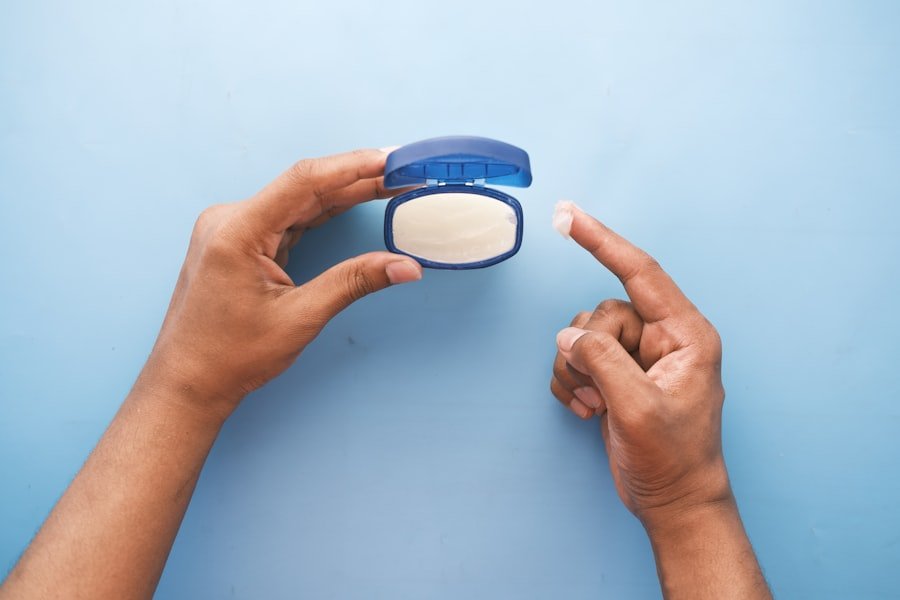
Selecting the right skincare products is essential for effectively managing oily skin. When shopping for moisturizers, serums, and treatments, look for labels that indicate “oil-free” or “non-comedogenic,” meaning they won’t clog pores. Lightweight gel-based moisturizers are often ideal for oily skin types as they provide hydration without adding excess oil.
Ingredients like hyaluronic acid can offer hydration while maintaining a light texture that won’t overwhelm oily skin. In addition to moisturizers, incorporating targeted treatments can significantly improve the condition of oily skin. Products containing niacinamide are beneficial as they help regulate sebum production while also providing anti-inflammatory properties that can reduce redness and irritation associated with acne.
Tea tree oil is another popular ingredient known for its antibacterial properties; it can help combat acne-causing bacteria without overly drying the skin. When it comes to sunscreen, opt for gel or fluid formulations that are specifically designed for oily or acne-prone skin to ensure adequate protection without contributing to excess shine.
Balancing Moisture: Hydrating Oily Skin without Overloading it
| Product | Key Ingredients | Hydration Level | Oil Control |
|---|---|---|---|
| Gel Moisturizer | Hydrolyzed Hyaluronic Acid, Aloe Vera | Lightweight | High |
| Oil-Free Serum | Niacinamide, Salicylic Acid | Hydrating | Regulates |
| Water-Based Essence | Green Tea Extract, Centella Asiatica | Refreshing | Balances |
One common misconception about oily skin is that it does not require hydration; in reality, maintaining moisture balance is crucial for overall skin health. Dehydrated skin can lead to an increase in oil production as the body attempts to compensate for the lack of moisture. Therefore, it is essential to incorporate hydrating products into your skincare routine without overwhelming your skin with heavy creams or oils.
To achieve this balance, consider using lightweight hydrating serums or essences that contain ingredients like glycerin or aloe vera. These ingredients draw moisture into the skin without leaving a greasy residue. Additionally, incorporating a hydrating toner can help prep the skin for subsequent products while providing an extra layer of moisture.
Look for toners that contain soothing ingredients such as witch hazel or rose water, which can help calm inflammation while keeping the skin hydrated. By focusing on hydration with lightweight products, individuals with oily skin can maintain a healthy moisture balance without exacerbating their condition.
Makeup Tips for Oily Skin: How to Keep Your Look Fresh All Day
For those with oily skin, makeup application can be a challenge due to the tendency for products to slide off or become shiny throughout the day. However, with the right techniques and products, it is possible to achieve a fresh look that lasts all day long. The first step is to start with a mattifying primer designed specifically for oily skin; this creates a smooth base while helping to control shine and extend the wear of makeup.
When it comes to foundation, opt for oil-free formulas with a matte finish. Liquid foundations with a lightweight texture are often preferable as they provide coverage without feeling heavy on the skin. Applying foundation with a damp makeup sponge can help achieve an airbrushed finish while minimizing excess product application.
Setting powders are also essential for controlling shine; translucent powders can be dusted over areas prone to oiliness to absorb excess sebum throughout the day. To maintain a fresh look, consider carrying blotting papers in your bag for quick touch-ups during the day. These papers absorb excess oil without disturbing your makeup, allowing you to maintain a matte finish without adding additional layers of product.
Additionally, setting sprays formulated for oily skin can help lock in makeup while controlling shine throughout the day.
Dietary and Lifestyle Changes for Managing Oily Skin

While topical treatments play a significant role in managing oily skin, dietary and lifestyle changes can also have a profound impact on overall skin health. A diet high in processed foods, sugars, and dairy has been linked to increased oil production and acne flare-ups. Incorporating more whole foods such as fruits, vegetables, lean proteins, and healthy fats can help improve skin condition from within.
Foods rich in omega-3 fatty acids—such as salmon, walnuts, and flaxseeds—can help reduce inflammation and regulate oil production. Staying hydrated is another crucial aspect of managing oily skin. Drinking plenty of water throughout the day helps flush out toxins and keeps the skin hydrated from within.
Additionally, reducing stress through practices such as yoga or meditation can positively influence hormone levels and subsequently decrease oil production. Regular exercise also promotes healthy circulation and helps regulate hormones that may contribute to oily skin.
Managing Oily Skin in Different Seasons: Adjusting Your Skincare Routine
The changing seasons can significantly affect how oily skin behaves; therefore, adjusting your skincare routine accordingly is essential for maintaining balance throughout the year. In warmer months, when humidity levels are higher, individuals with oily skin may find that their skin produces even more oil than usual. During this time, it may be beneficial to switch to lighter formulations for cleansers and moisturizers while incorporating more frequent exfoliation to combat increased shine.
Conversely, during colder months when indoor heating can lead to dryness in the air, it’s important not to strip away too much moisture from the skin. While maintaining oil control remains important, incorporating richer hydrating products may be necessary to prevent dehydration. Using a hydrating serum or switching to a cream-based moisturizer can help maintain moisture levels without overwhelming the skin with heavy oils.
Additionally, seasonal changes may also affect makeup choices; opting for long-wear or waterproof formulations during hot summer months can help prevent makeup from sliding off due to excess oil or sweat. In contrast, during cooler months when humidity is lower, individuals may find that they need less mattifying products as their skin may not produce as much oil.
Seeking Professional Help: When to Consult a Dermatologist for Oily Skin Issues
While many individuals can manage oily skin effectively through at-home treatments and lifestyle changes, there are instances when consulting a dermatologist becomes necessary. If over-the-counter products fail to yield results after several weeks of consistent use or if breakouts become severe or painful, seeking professional advice is crucial. A dermatologist can provide tailored recommendations based on individual needs and may prescribe stronger topical treatments or oral medications if necessary.
Additionally, if oily skin is accompanied by other concerning symptoms such as persistent redness, swelling, or cystic acne that does not respond to standard treatments, it’s essential to seek professional evaluation. A dermatologist can conduct a thorough assessment of your skin condition and recommend appropriate interventions that may include prescription-strength topical treatments or procedures such as chemical peels or laser therapy aimed at reducing oiliness and improving overall skin texture. In conclusion, understanding how to manage oily skin involves a comprehensive approach that includes proper cleansing and exfoliation techniques, selecting suitable skincare products, maintaining hydration without overloading the skin, applying makeup effectively, making dietary adjustments, adapting routines according to seasonal changes, and knowing when to seek professional help.
By implementing these strategies thoughtfully and consistently, individuals with oily skin can achieve healthier-looking complexions while minimizing issues associated with excess oil production.
FAQs
What causes oily skin?
Oily skin is caused by the overproduction of sebum, a natural oil produced by the skin’s sebaceous glands. This overproduction can be influenced by genetics, hormonal changes, and environmental factors.
How can I manage oily skin?
Managing oily skin involves using gentle, non-comedogenic cleansers, exfoliating regularly, using oil-free moisturizers, and incorporating products with ingredients like salicylic acid and benzoyl peroxide. It’s also important to avoid over-washing the skin, as this can strip it of its natural oils and lead to increased oil production.
Are there any lifestyle changes that can help manage oily skin?
Maintaining a healthy diet, staying hydrated, managing stress levels, and avoiding harsh skincare products can all contribute to managing oily skin. Additionally, using oil-absorbing sheets throughout the day can help control excess oil.
Should I avoid moisturizing if I have oily skin?
No, moisturizing is still important for oily skin. Look for oil-free, non-comedogenic moisturizers that won’t clog pores. Moisturizing helps maintain the skin’s natural barrier and can actually help regulate oil production.
Can oily skin be a sign of a medical condition?
In some cases, excessively oily skin can be a symptom of an underlying medical condition such as hormonal imbalances or certain skin disorders. If you are concerned about your oily skin, it’s best to consult a dermatologist for a proper diagnosis and treatment plan.

I’m a blogger and SEO executive with 3+ years of practical experience in content creation, on-page SEO, and link building. I manage a network of 25+ active blogs that I use to support ethical and relevant link placements. My focus is on creating useful content and link building strategies that improve search rankings in a sustainable way.