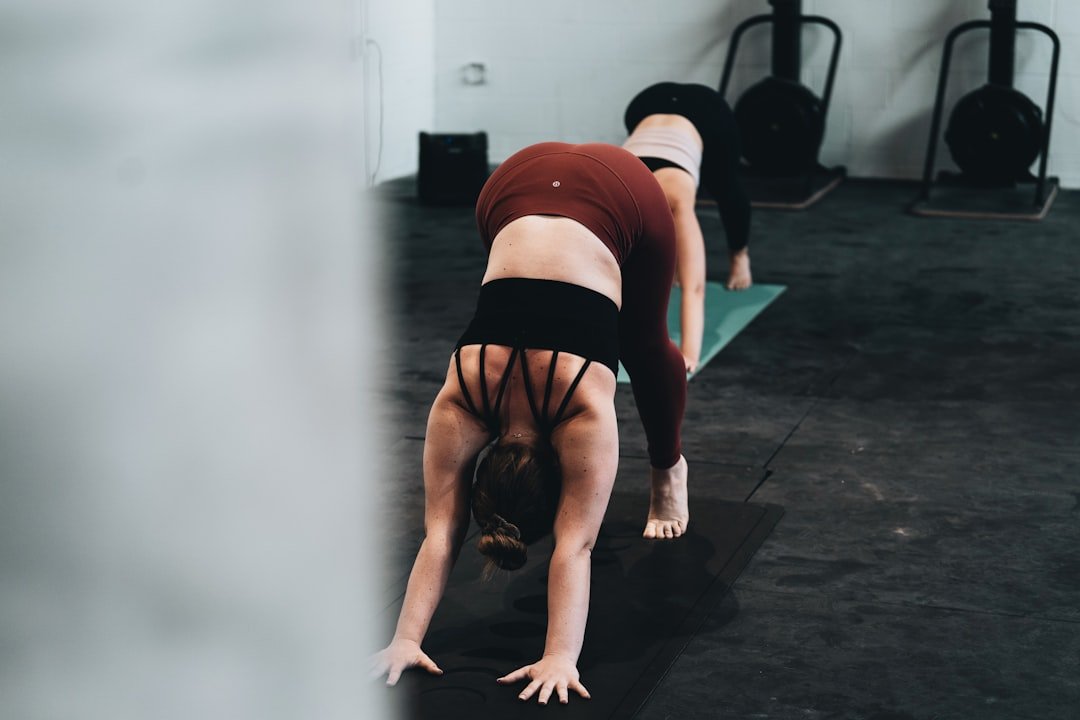
Yoga is a diverse practice that encompasses various styles, each with its unique philosophy, approach, and benefits. Hatha yoga is often considered the foundation of many other styles. It emphasizes the physical postures (asanas) and is typically slower-paced, allowing practitioners to focus on alignment and breath.
Hatha classes often include a mix of standing poses, seated stretches, and relaxation techniques, making it an excellent choice for beginners or those looking to deepen their understanding of basic postures. The slower tempo allows for a more meditative experience, encouraging practitioners to connect with their bodies and cultivate mindfulness. In contrast, Vinyasa yoga is characterized by its dynamic flow, linking breath with movement in a continuous sequence of poses.
This style is often more vigorous and can vary significantly in intensity from one class to another. Vinyasa classes may incorporate sun salutations, standing sequences, and balancing poses, creating a rhythm that can be both energizing and challenging. The fluid nature of Vinyasa encourages practitioners to develop strength, flexibility, and endurance while also fostering a sense of creativity in their practice.
Unlike Hatha, which may focus on holding poses for longer durations, Vinyasa emphasizes the transition between poses, making it a more active form of yoga. Restorative yoga, on the other hand, takes a different approach altogether. It is designed to promote relaxation and healing through gentle stretches and supported poses.
In Restorative classes, props such as blankets, bolsters, and blocks are used extensively to support the body in various postures, allowing practitioners to hold poses for extended periods without strain. This style is particularly beneficial for those recovering from injury or experiencing high levels of stress. The emphasis on relaxation and deep breathing in Restorative yoga helps to activate the parasympathetic nervous system, promoting a sense of calm and well-being.
Each of these styles offers distinct experiences and benefits, catering to different needs and preferences within the yoga community.
Key Takeaways
- Hatha, Vinyasa, and Restorative Yoga each have unique characteristics and cater to different needs and preferences.
- It’s important to determine your fitness goals and needs before choosing a yoga style to ensure it aligns with your objectives.
- Each yoga style offers a combination of physical and mental benefits, so it’s essential to explore and understand these aspects before making a decision.
- Consider your level of experience and comfort with different yoga styles to find the one that suits you best.
- Finding the right balance between strength and flexibility is crucial for a well-rounded yoga practice and overall fitness.
Determining Your Fitness Goals and Needs
Before embarking on a yoga journey, it is essential to assess your fitness goals and personal needs. Are you seeking to build strength, improve flexibility, reduce stress, or perhaps enhance your overall well-being? Understanding your objectives will guide you in selecting the most suitable style of yoga for your practice.
For instance, if your primary goal is to increase physical strength and stamina, Vinyasa or Hatha yoga may be more aligned with your aspirations due to their emphasis on active postures and dynamic movements. Conversely, if your focus leans more toward relaxation and stress relief, Restorative yoga could be the ideal choice. This style allows you to unwind and recharge while gently stretching the body.
It is particularly beneficial for individuals dealing with anxiety or chronic stress, as it encourages deep relaxation and mindfulness. By clearly defining your fitness goals—whether they involve physical challenges or mental well-being—you can make informed decisions about which yoga style will best support your journey. Additionally, it is crucial to consider any physical limitations or health conditions you may have when determining your fitness needs.
For example, individuals with injuries or chronic pain may find that Hatha or Restorative yoga provides a safer environment for practice due to their slower pace and focus on alignment. On the other hand, those looking for a more vigorous workout might thrive in a Vinyasa class that challenges their strength and endurance. By taking into account both your aspirations and any physical considerations, you can create a personalized approach to your yoga practice that aligns with your unique circumstances.
Exploring the Physical and Mental Benefits of Each Yoga Style
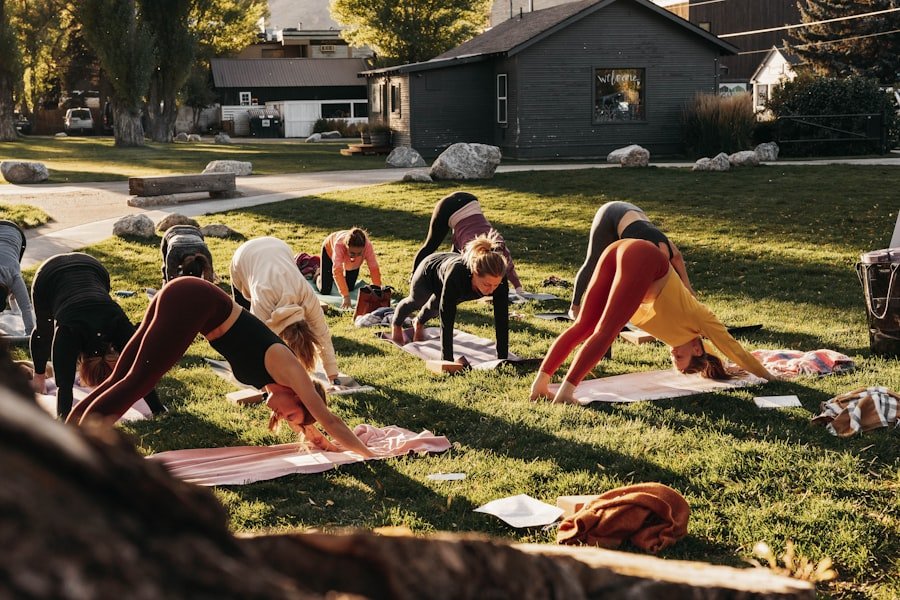
Each style of yoga offers a range of physical and mental benefits that can enhance overall well-being. Hatha yoga is particularly effective for improving flexibility and balance. The slower pace allows practitioners to focus on proper alignment and technique, which can lead to increased body awareness over time.
Additionally, Hatha yoga often incorporates breathwork (pranayama), which can help reduce stress levels and promote relaxation. The combination of physical postures and mindful breathing creates a holistic experience that nurtures both body and mind. Vinyasa yoga provides its own set of benefits, particularly in terms of cardiovascular health and muscular strength.
The continuous flow of movements elevates the heart rate, making it an excellent choice for those looking to improve their fitness levels. Furthermore, Vinyasa encourages practitioners to engage their core muscles throughout the practice, leading to enhanced stability and strength. Mentally, the rhythmic nature of Vinyasa can foster a sense of flow and creativity, allowing individuals to connect with their inner selves while moving through sequences.
This style also promotes mindfulness as practitioners learn to synchronize their breath with movement. Restorative yoga stands out for its profound impact on mental health. By focusing on relaxation and gentle stretching, this style helps alleviate symptoms of anxiety and depression while promoting emotional balance.
The use of props allows practitioners to fully support their bodies in poses, encouraging deep relaxation that can lead to improved sleep quality and reduced tension. Physically, Restorative yoga aids in recovery from injury by promoting gentle movement without strain. The emphasis on mindfulness during Restorative practice cultivates a deeper connection between body and mind, fostering self-awareness and emotional resilience.
Considering Your Level of Experience and Comfort
| Experience Level | Comfort Level |
|---|---|
| Beginner | Low |
| Intermediate | Moderate |
| Advanced | High |
When choosing a yoga style, it is essential to consider your level of experience and comfort with physical activity. Beginners may find Hatha yoga particularly accessible due to its slower pace and focus on foundational postures. This style allows newcomers to familiarize themselves with basic asanas while developing an understanding of breath control and alignment principles.
Instructors often provide detailed guidance in Hatha classes, making it easier for beginners to feel confident in their practice. For those with some experience looking for a challenge, Vinyasa yoga can be an exciting option. However, it is important to approach this style with caution if you are not yet comfortable with more dynamic movements or transitions between poses.
Many Vinyasa classes offer modifications for various skill levels; therefore, it is advisable to communicate with instructors about your experience level before participating in a class. This open dialogue ensures that you receive appropriate guidance tailored to your needs. Restorative yoga is suitable for practitioners at any level but can be especially beneficial for those who may feel overwhelmed by more vigorous styles or who are recovering from injury.
The gentle nature of Restorative practice allows individuals to explore their limits without pushing themselves too hard. Regardless of your experience level, it is crucial to listen to your body during practice; this self-awareness will help you determine when to challenge yourself further or when to take a step back.
Finding the Right Balance Between Strength and Flexibility
Achieving a balance between strength and flexibility is a fundamental aspect of any successful yoga practice. Hatha yoga provides an excellent platform for developing this equilibrium as it incorporates both static holds that build strength and dynamic stretches that enhance flexibility. Practitioners learn how to engage their muscles while maintaining proper alignment in various poses, fostering a sense of stability throughout their practice.
Vinyasa yoga takes this balance further by integrating strength-building movements with fluid transitions that promote flexibility. The continuous flow encourages practitioners to engage their core muscles while moving through sequences that challenge both strength and flexibility simultaneously. This dynamic interplay not only enhances physical fitness but also cultivates mental resilience as individuals learn to navigate challenging poses with grace.
Restorative yoga complements these styles by emphasizing relaxation as a means of enhancing flexibility without strain. By holding supported poses for extended periods, practitioners can gently release tension in tight muscles while promoting overall flexibility. This restorative approach allows individuals to recover from more intense practices while still nurturing their bodies’ need for movement and stretch.
Evaluating the Importance of Breath and Mindfulness in Your Practice
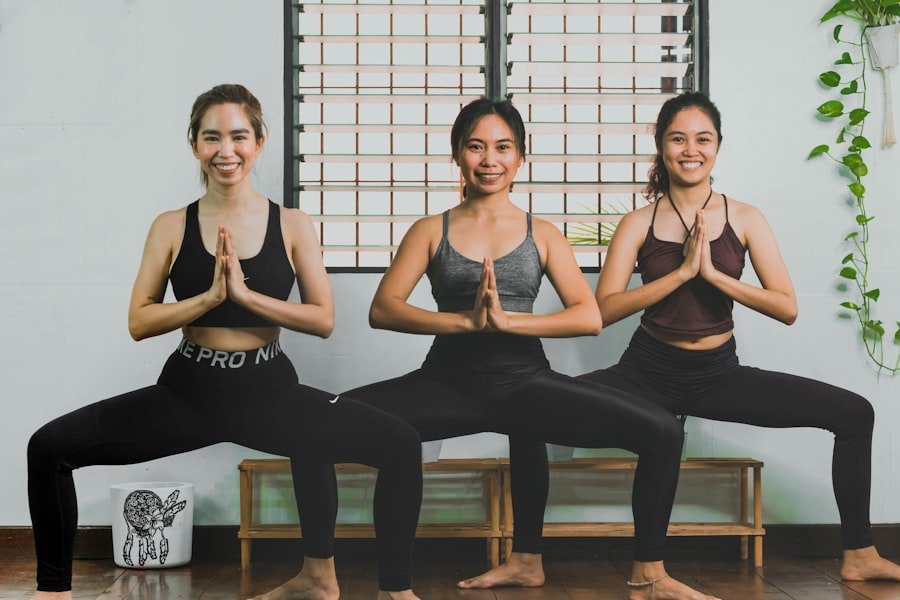
Breath plays a pivotal role in all styles of yoga; however, its significance varies depending on the approach taken within each practice. In Hatha yoga, breath awareness is often emphasized as practitioners learn to synchronize their breath with movement. This connection fosters mindfulness throughout the practice, allowing individuals to cultivate a deeper awareness of their bodies’ sensations while promoting relaxation.
In Vinyasa yoga, breath becomes even more integral as it serves as the driving force behind each movement. The rhythmic inhalation and exhalation create a flow that enhances the overall experience of the practice. This emphasis on breath not only helps practitioners maintain focus but also encourages them to stay present in the moment—a key aspect of mindfulness that can extend beyond the mat into daily life.
Restorative yoga places an even greater emphasis on breath as practitioners are encouraged to engage in deep diaphragmatic breathing throughout their practice. This intentional focus on breath promotes relaxation and helps activate the parasympathetic nervous system, leading to reduced stress levels and enhanced emotional well-being. Mindfulness in Restorative practice allows individuals to cultivate self-awareness while fostering a sense of inner peace.
Seeking Professional Guidance and Instruction
While many individuals may feel inclined to explore yoga independently through online resources or videos, seeking professional guidance can significantly enhance one’s practice. Experienced instructors provide valuable insights into proper alignment, technique, and modifications tailored to individual needs—elements that are crucial for ensuring safety during practice. Attending classes led by qualified teachers allows practitioners to receive immediate feedback on their form while also benefiting from the collective energy of a group setting.
Instructors also play an essential role in creating an inclusive environment where students feel comfortable asking questions or expressing concerns about their practice. This supportive atmosphere fosters growth and encourages individuals to explore new challenges within their practice without fear of judgment or injury. Additionally, teachers often share valuable knowledge about the philosophy behind each style of yoga—insights that can deepen one’s understanding of the practice as a whole.
For those new to yoga or looking to refine their skills further, workshops or private sessions with experienced instructors can provide personalized attention that enhances one’s practice significantly. These opportunities allow individuals to delve deeper into specific areas of interest—whether it be advanced postures or breathwork techniques—while receiving tailored guidance that addresses their unique goals.
Incorporating Variety and Exploration into Your Yoga Practice
Incorporating variety into your yoga practice can keep it fresh and engaging while allowing you to explore different aspects of your physicality and mental state. Experimenting with various styles—such as alternating between Hatha, Vinyasa, and Restorative—can provide a well-rounded experience that nurtures both strength and flexibility while promoting relaxation at the same time. This exploration encourages practitioners to step outside their comfort zones while discovering new techniques that resonate with them personally.
Additionally, attending classes led by different instructors can expose you to diverse teaching styles and philosophies within each type of yoga. Each teacher brings their unique perspective on alignment cues, sequencing strategies, and breathwork techniques—elements that can enrich your understanding of the practice as a whole. Engaging with various instructors also fosters community connections within the local yoga scene while providing opportunities for collaboration among practitioners.
Incorporating elements such as meditation or mindfulness practices into your routine can further enhance your overall experience on the mat. Exploring different forms of meditation—such as guided visualization or loving-kindness meditation—can complement your physical practice by nurturing mental clarity and emotional resilience. By embracing variety within your yoga journey—both in terms of styles practiced and supplementary techniques explored—you create an enriching experience that supports holistic growth on multiple levels.
FAQs
What is Hatha yoga?
Hatha yoga is a traditional form of yoga that focuses on physical postures (asanas) and breathing techniques (pranayama). It is a gentle and slow-paced practice that is suitable for beginners.
What is Vinyasa yoga?
Vinyasa yoga is a more dynamic and flowing style of yoga that synchronizes movement with breath. It involves a series of poses that are linked together in a continuous sequence, creating a smooth and fluid practice.
What is Restorative yoga?
Restorative yoga is a deeply relaxing and therapeutic style of yoga that focuses on passive stretching and supported poses. It is designed to promote relaxation, reduce stress, and restore the body and mind.
What are the main differences between Hatha, Vinyasa, and Restorative yoga?
Hatha yoga is gentle and slow-paced, Vinyasa yoga is dynamic and flowing, and Restorative yoga is deeply relaxing and therapeutic. Each style has its own unique focus and benefits.

I’m a blogger and SEO executive with 3+ years of practical experience in content creation, on-page SEO, and link building. I manage a network of 25+ active blogs that I use to support ethical and relevant link placements. My focus is on creating useful content and link building strategies that improve search rankings in a sustainable way.