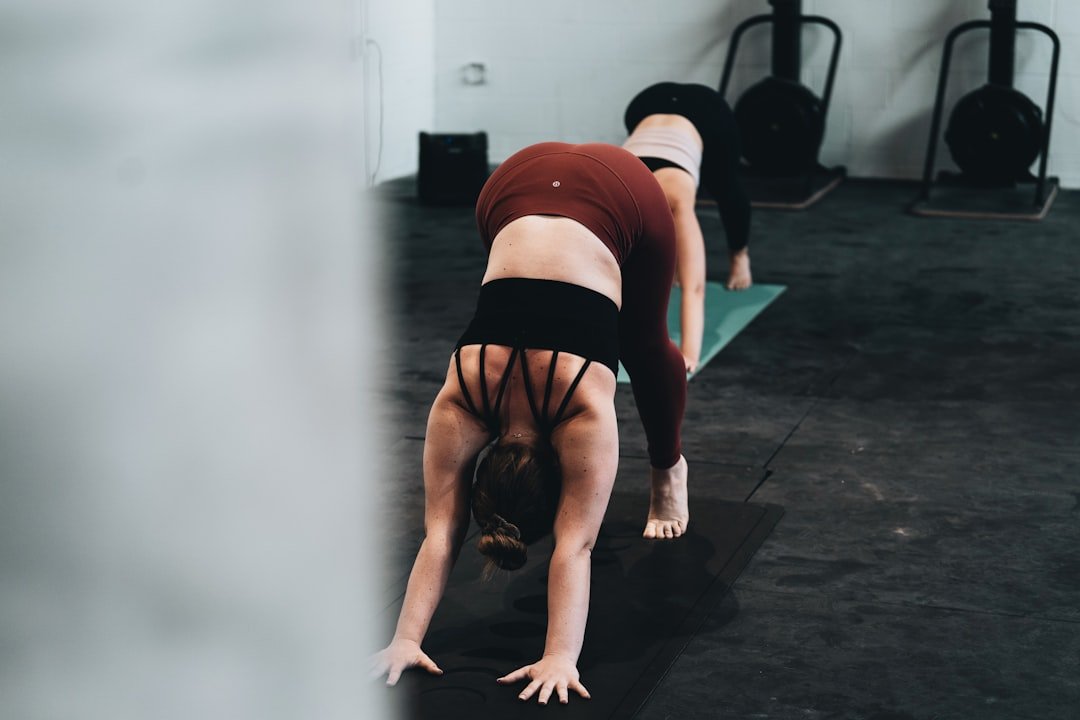
Posture is often an overlooked aspect of health, yet it plays a crucial role in our overall well-being. The way we hold our bodies while sitting, standing, or moving can significantly influence our physical health and comfort levels. Good posture aligns the body in a way that minimizes strain on muscles and ligaments, allowing for optimal function and reducing the risk of injury.
Conversely, poor posture can lead to a cascade of issues, including pain and discomfort that can affect daily activities. For instance, slouching while sitting at a desk can create undue pressure on the spine and surrounding muscles, leading to tension and pain that may persist throughout the day. Moreover, the impact of posture extends beyond immediate discomfort.
Chronic poor posture can lead to long-term musculoskeletal issues, affecting not just the back and neck but also the hips, shoulders, and even the knees. The body is a complex system where each part influences the others; thus, maintaining proper alignment is essential for overall health. Understanding this relationship between posture and pain is the first step toward addressing and mitigating discomfort that many individuals experience in their daily lives.
Key Takeaways
- Posture plays a significant role in daily pain, as poor posture can lead to musculoskeletal discomfort and chronic pain.
- Poor posture can contribute to chronic pain by putting strain on muscles and joints, leading to long-term discomfort and decreased mobility.
- Postural imbalances can have a significant impact on back and neck pain, as they can lead to misalignment and increased pressure on the spine.
- Addressing postural imbalances through targeted exercises and adjustments can help alleviate pain and improve overall posture.
- Ergonomics play a crucial role in preventing posture-related pain, as proper workplace setup and equipment can help maintain good posture and reduce discomfort. Seeking professional help, such as physical therapy or chiropractic care, can provide personalized guidance and treatment for posture-related pain.
The Connection Between Posture and Musculoskeletal Pain
Musculoskeletal pain is a common complaint among individuals of all ages, and research has increasingly pointed to posture as a significant contributing factor. When the body is not aligned correctly, certain muscles may become overworked while others weaken, leading to imbalances that manifest as pain. For example, individuals who spend long hours hunched over a computer may develop tightness in their chest muscles while their upper back muscles weaken, creating a cycle of discomfort that can be difficult to break.
This imbalance not only causes localized pain but can also lead to broader issues such as headaches and fatigue. The connection between posture and musculoskeletal pain is further illustrated by studies showing that individuals with poor posture are more likely to report chronic pain conditions. A study published in the journal “Pain” found that participants with forward head posture were significantly more likely to experience neck pain compared to those with neutral head alignment.
This correlation underscores the importance of maintaining proper posture not just for comfort but also for preventing long-term health issues. By recognizing how our daily habits contribute to musculoskeletal pain, we can take proactive steps to improve our posture and overall quality of life.
How Poor Posture Contributes to Chronic Pain
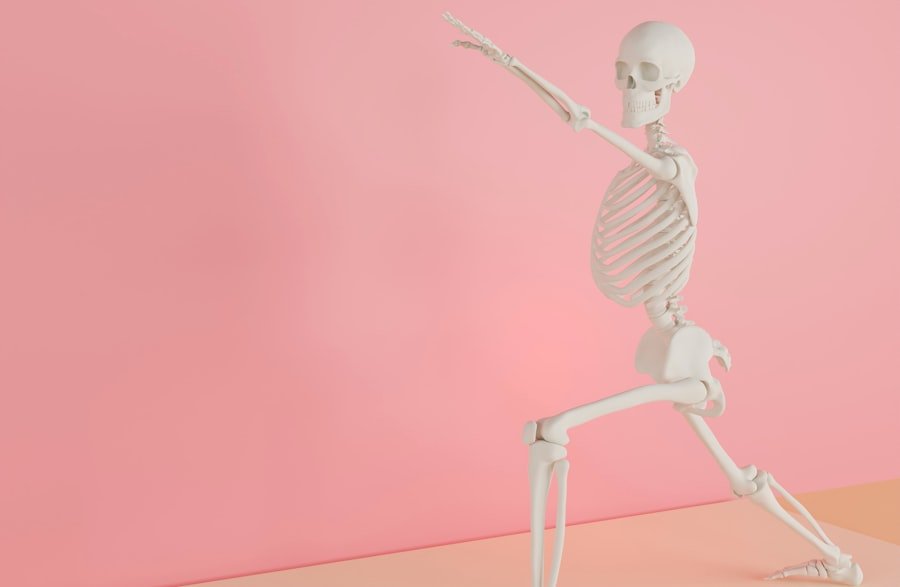
Chronic pain is often multifaceted, influenced by various factors including lifestyle, stress levels, and physical activity. However, poor posture is a significant contributor that can exacerbate existing conditions or even lead to new ones. When individuals consistently adopt poor postural habits—such as slumping while sitting or leaning forward while standing—they place excessive stress on their joints and muscles.
Over time, this can result in chronic pain syndromes that are difficult to treat because they are rooted in habitual behaviors rather than isolated injuries. For instance, consider the case of someone who spends hours each day working at a desk without proper ergonomic support. This individual may develop chronic lower back pain due to prolonged sitting in a slouched position.
The muscles in the lower back become strained as they work harder to support the spine’s misalignment. As this pattern continues, the individual may also experience referred pain in other areas, such as the hips or legs, creating a complex web of discomfort that can be challenging to address without correcting the underlying postural issues.
The Impact of Posture on Back and Neck Pain
| Study | Findings |
|---|---|
| Research Study 1 | Found a significant correlation between poor posture and increased back and neck pain |
| Research Study 2 | Reported that individuals with better posture experienced less back and neck pain |
| Survey Results | 80% of participants reported experiencing back or neck pain due to poor posture |
Back and neck pain are among the most prevalent complaints related to poor posture, affecting millions of people worldwide. The spine is designed to maintain a natural curvature that supports weight distribution and movement; however, poor posture disrupts this alignment. For example, when someone sits with a rounded back and forward head position, it places significant strain on the cervical spine and surrounding muscles.
This misalignment can lead to conditions such as cervical spondylosis or herniated discs over time. Additionally, the impact of poor posture on neck pain is particularly pronounced in today’s digital age, where many individuals spend hours looking down at smartphones or tablets. This forward head posture increases the load on the cervical spine by as much as 60 pounds when the head is tilted forward at a 60-degree angle.
Such excessive strain can lead to muscle fatigue, tension headaches, and even nerve compression syndromes like thoracic outlet syndrome. Addressing these postural habits is essential for alleviating back and neck pain and preventing further complications.
Addressing Postural Imbalances to Alleviate Pain
To effectively alleviate pain associated with poor posture, it is crucial to identify and address postural imbalances. This process often begins with self-assessment or professional evaluation to determine specific areas of weakness or tightness. For instance, individuals may notice that they have tight hip flexors due to prolonged sitting or weak gluteal muscles that fail to support proper pelvic alignment.
Recognizing these imbalances allows for targeted interventions that can restore balance and reduce pain. Incorporating exercises that strengthen weak muscles while stretching tight ones is an effective strategy for addressing postural imbalances. For example, strengthening exercises for the core and glutes can help stabilize the pelvis and lower back, while stretches for the hip flexors and chest can alleviate tension caused by prolonged sitting.
Additionally, practicing mindfulness techniques such as yoga or Pilates can enhance body awareness and promote better postural habits over time. By actively working to correct postural imbalances, individuals can experience significant reductions in pain and improvements in overall function.
Strategies for Improving Posture and Reducing Daily Pain
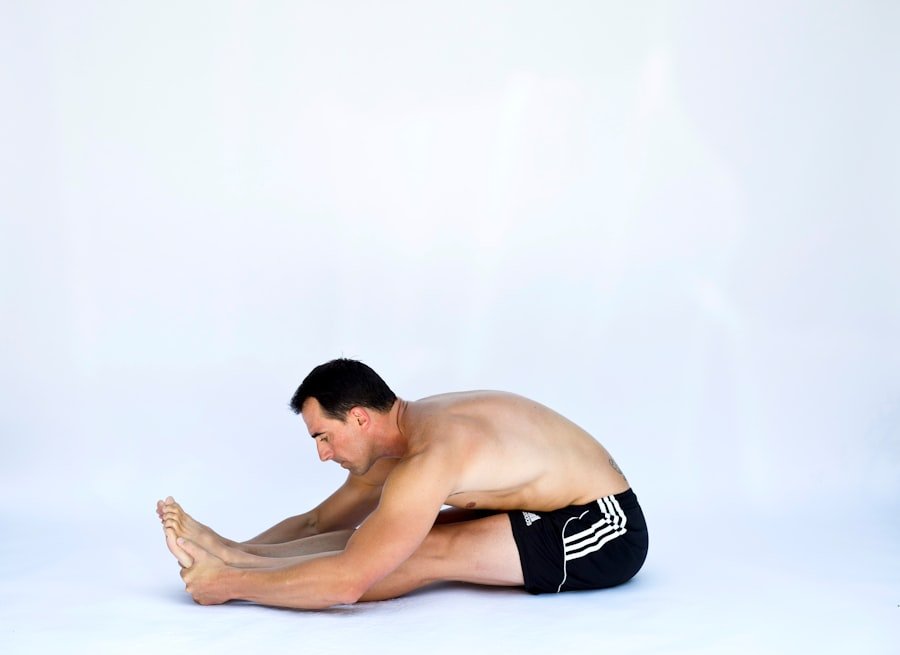
Improving posture requires a multifaceted approach that encompasses awareness, education, and practical strategies for daily life. One effective method is to incorporate regular breaks into daily routines, especially for those who work at desks or engage in repetitive tasks. Standing up, stretching, or taking short walks every hour can help reset posture and relieve muscle tension.
Simple stretches targeting the neck, shoulders, and back can be performed throughout the day to counteract the effects of prolonged sitting. Another strategy involves creating an ergonomic workspace that promotes good posture. This includes adjusting chair height so that feet rest flat on the floor, positioning computer screens at eye level to avoid straining the neck, and using supportive chairs that encourage proper spinal alignment.
Additionally, utilizing tools such as lumbar rolls or standing desks can further enhance comfort and reduce strain during work hours. By implementing these strategies consistently, individuals can cultivate better postural habits that contribute to reduced daily pain.
The Importance of Ergonomics in Preventing Posture-Related Pain
Ergonomics plays a vital role in preventing posture-related pain by designing workspaces and tools that accommodate human anatomy and movement patterns. An ergonomic approach considers factors such as body mechanics, environmental conditions, and individual needs to create an optimal working environment. For instance, an ergonomic chair should provide adequate lumbar support while allowing for adjustments in height and tilt to suit different body types.
In addition to furniture design, ergonomics also encompasses how tasks are performed throughout the day. For example, using proper lifting techniques—such as bending at the knees rather than the waist—can prevent strain on the back during manual handling tasks. Furthermore, incorporating ergonomic tools like keyboard trays or mouse pads with wrist support can minimize repetitive strain injuries associated with prolonged computer use.
By prioritizing ergonomics in daily activities, individuals can significantly reduce their risk of developing posture-related pain.
Seeking Professional Help for Posture-Related Pain
While self-management strategies are essential for improving posture and alleviating pain, seeking professional help can provide additional support for those struggling with chronic issues. Healthcare providers such as physical therapists or chiropractors specialize in assessing postural alignment and identifying underlying causes of pain. They can develop personalized treatment plans that include manual therapy techniques, targeted exercises, and education on proper body mechanics.
In some cases, additional interventions such as acupuncture or massage therapy may be beneficial for addressing muscle tension associated with poor posture. These modalities can help release tight muscles while promoting relaxation and overall well-being. Ultimately, collaborating with healthcare professionals allows individuals to gain a deeper understanding of their postural habits and receive tailored guidance on how to achieve lasting improvements in both posture and pain management.
FAQs
What is posture?
Posture refers to the position in which we hold our bodies while standing, sitting, or lying down. It involves the alignment of the body parts in relation to one another.
How does posture affect everyday pain?
Poor posture can lead to muscle imbalances, joint stiffness, and increased stress on the body, which can result in everyday pain such as back pain, neck pain, and headaches.
What are the common causes of poor posture?
Common causes of poor posture include slouching, carrying heavy bags on one shoulder, prolonged sitting, and improper ergonomics at work.
How can good posture help reduce everyday pain?
Maintaining good posture can help distribute the body’s weight more evenly, reduce strain on muscles and ligaments, and decrease the risk of developing chronic pain conditions.
What are some tips for improving posture?
Some tips for improving posture include practicing good ergonomics at work, strengthening core muscles, stretching regularly, and being mindful of body alignment while standing and sitting.
When should I seek professional help for posture-related pain?
If you experience persistent or severe pain related to poor posture, it is advisable to seek professional help from a healthcare provider such as a physical therapist or chiropractor.

I’m a blogger and SEO executive with 3+ years of practical experience in content creation, on-page SEO, and link building. I manage a network of 25+ active blogs that I use to support ethical and relevant link placements. My focus is on creating useful content and link building strategies that improve search rankings in a sustainable way.